How to build customer loyalty in a small business.
Building customer loyalty means giving people clear reasons to return and delivering on your promises at every visit. In a small business in Colombia, start with a good product, consistent service and a reward that is easy to understand. These eight ideas help organise a programme without filling your shop with promotions or relying on permanent discounts.
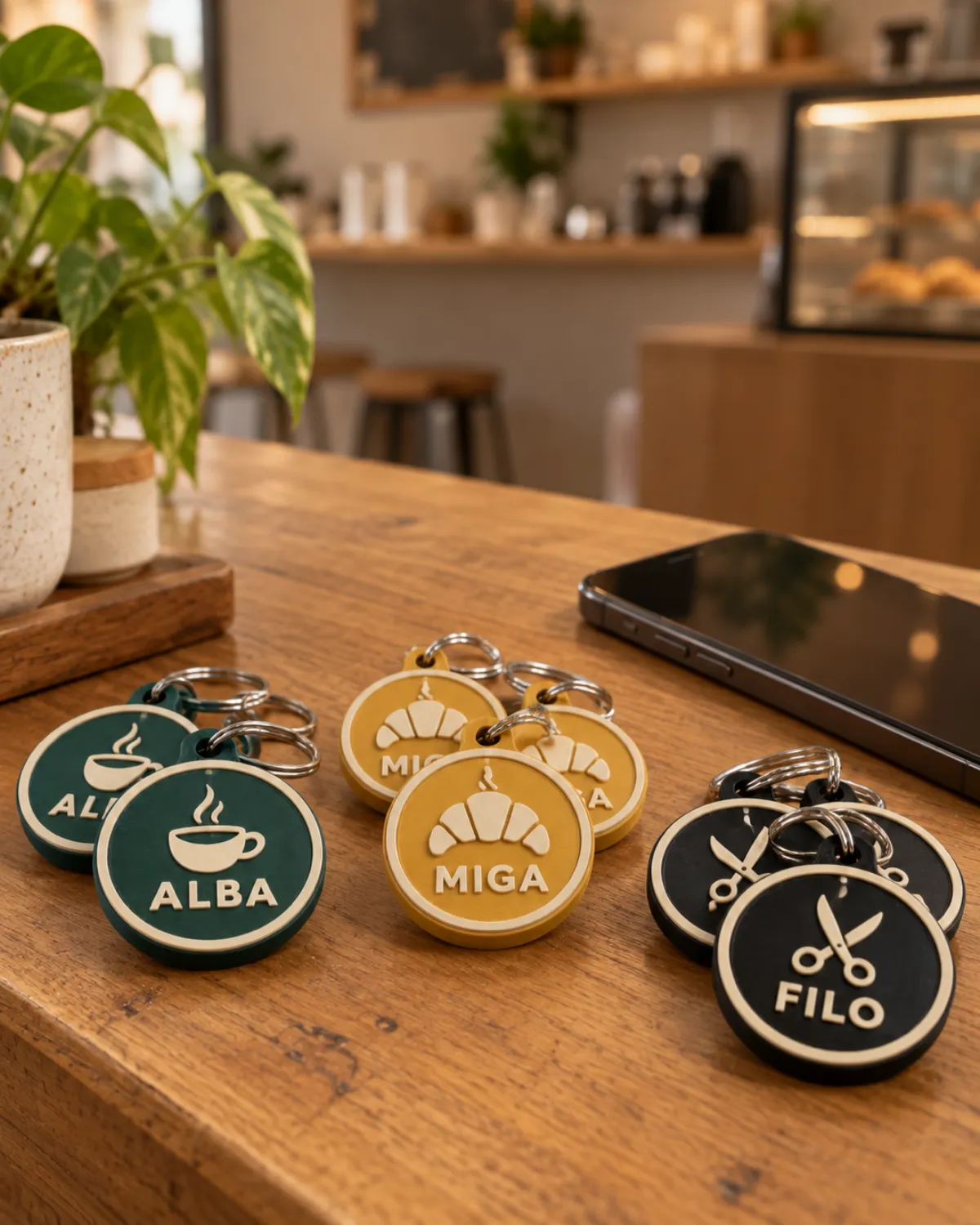
1. Offer an attainable reward
Choose something customers already value: a coffee, a dessert or an extra service. Calculate how many normal visits it takes to earn it and check its cost. If customers visit monthly, a target designed for daily visits can feel impossible. Start with one reward and listen to reactions before adding more.
2. Give a welcome that explains the programme
A small welcome bonus can show how the balance works from day one. State what customers receive when joining and what they need to buy to continue earning. Keep it within your reward budget. Avoid a long speech at the checkout: a short explanation and a visible balance make the next step clear.
3. Write rules that stay consistent across shifts
Define which purchases qualify, how rewards work and what happens with promotions. Share the same terms with every employee and display them for customers. Do not improvise exceptions when someone is about to redeem a reward. Consistency helps avoid arguments and protects the trust earned over previous visits.
4. Explain expiry before adding benefits
If you use expiry, allow enough time for your usual purchase frequency and explain it at enrolment. In Lío, you can configure expiry after months of inactivity or leave it disabled. Do not confuse inactivity with a fixed expiry date for each point. Check the setting before announcing the terms.
5. Train cashiers with real situations
Practise a purchase, a redemption and a lost keychain before launch. Every cashier should know how to check the customer and confirm the result. Name a person who can resolve questions during each shift. A simple programme loses its value if staff forget to offer it or register purchases incorrectly.
6. Communicate the benefit inside your shop
Place one clear message near the checkout: what customers earn and how to join. In a hair salon, mention it when arranging the next visit; in an ice cream shop, when handing over the order. Avoid a wall of promotions. Explain the reward naturally and let the customer decide whether to participate.
7. Measure more than keychains handed out
Review sign-ups, benefits added and rewards redeemed each month. Compare them with your sales records and reward costs. Ask why some customers stop participating. Registration alone does not prove a repeat visit. Change one thing at a time so you can understand whether the adjustment helped.
8. Make balance recovery easy
Customers should not lose their progress when they lose a keychain. Explain the phone-number backup and verify the account before replacing it. With Lío, the owner can block the old keychain and assign another. That practical solution is part of good service, especially for customers who already earned a reward.
How Lío puts it into practice
Lío combines keychains with your logo, stamps or points, rewards and a dashboard for owners and cashiers. Customers use their browser, without installing an app. Request a demo to walk through a purchase and a redemption using your business rules. Choose the mode before the first transaction: it is locked afterwards.
Frequently asked questions
Where do I start if I have never had a programme?
Choose a reward, calculate its cost and define which purchases count. Practise the explanation with your team before inviting customers.
Does loyalty mean always offering discounts?
No. You can recognise repeat visits with a specific reward while maintaining consistent service and quality. The benefit must fit your margin.
Must I make points expire?
No. You can leave expiry disabled in Lío. If you enable inactivity expiry, explain the period before customers start earning.
Does the programme guarantee more sales?
No. Results depend on the business, its rewards and its operation. Measure participation, redemptions and sales to assess its value.